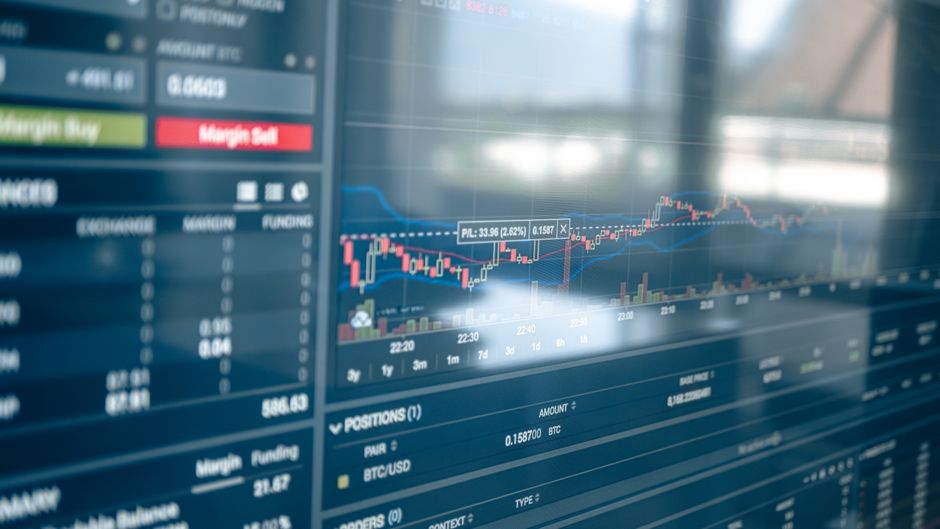
Waiting for confirmation sounds like caution and is usually sold as such. Do not act on the first break, wait for the indicator to agree, then take the trade with the odds improved. The argument is appealing because it maps onto ordinary prudence. The difficulty is arithmetic rather than psychological, and it applies to every indicator built from prices that have already printed.
Where the Delay Comes From

An indicator calculated over a window of past prices cannot respond to a new price until that price is inside the window, and it cannot respond fully until the price has enough weight in the calculation to move the output past whatever threshold you are watching. Both of those take time by construction. Shortening the window shortens the delay and makes the output noisier, which is the same trade every time and has no setting that escapes it.
This is not a defect in any particular tool. It is what averaging means. A measure that summarised only the most recent price would have no delay and would also be identical to price, which is where you started. The delay is the price of the smoothing, and smoothing is the only reason the indicator is on the chart.
The Cost Lands in the Entry
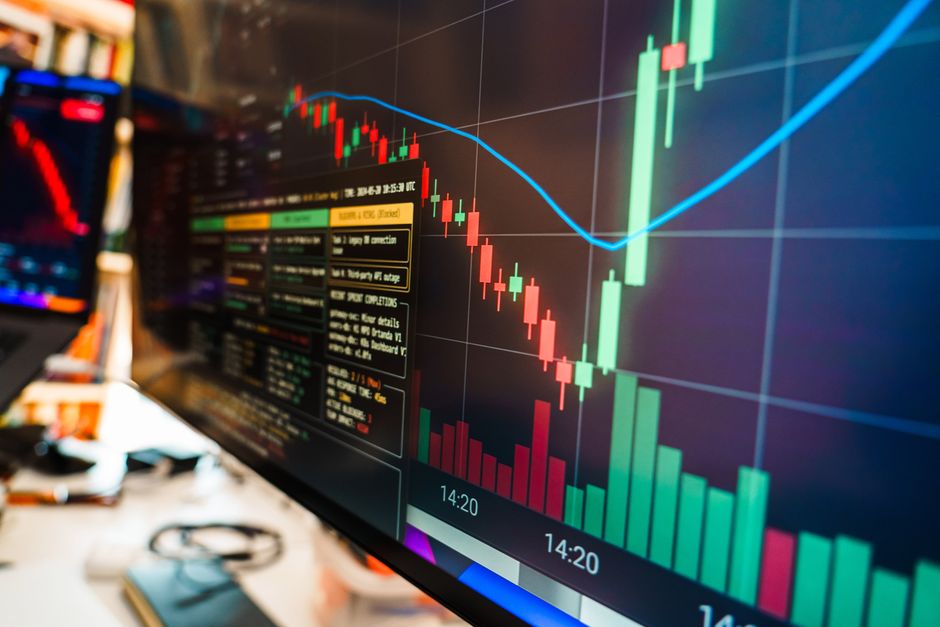
For a breakout rule the delay converts directly into a worse entry. Price broke the range at one level and the confirmation appeared somewhere beyond it. The stop, if it sits at the opposite edge of the range, has not moved. The distance to any reasonable target has shrunk by the amount the entry moved. Risk stayed the same, reward went down, and the rule has not changed in any other respect.
The size of that cost is not constant, which is the part that makes it hard to see. On a slow break the confirmation arrives only a little later and the damage is small. On a fast break it arrives much later in price terms, because price is covering more ground per unit of time. Confirmation is cheapest on the moves least worth taking and most expensive on the moves you most wanted.
Why It Still Feels Right
Confirmation does prevent some bad trades. That is real, and it is also the only part that is easily observed. A false break that reverses before the indicator agrees becomes a trade avoided, and it feels like the rule working. The trades where confirmation cost several units of entry price on a move that ran do not present themselves as failures, because they were still winners, just smaller ones.
So the feedback is asymmetric. The benefit is visible and discrete, the cost is invisible and continuous. A rule can drain its own expectancy for a long time while producing exactly the experience of a rule that is protecting you.
What to Measure Instead
If a confirmation step is worth keeping, the way to find out is to record the price at the break and the price at the confirmation, every time, including the times the confirmation never came. The first two give the cost. The third gives the benefit, in the form of breaks that failed before the condition was met. Both are needed, and most people only ever have an impression of the second.
There is a variant of the idea that avoids the problem entirely. Instead of waiting for a lagging measure to agree, define the entry condition in terms of the range itself, such as requiring price to hold beyond the edge for a defined stretch rather than merely touch it. That is still a delay and still costs entry price, but it is measured in the same units as the setup and is not pretending to be independent evidence.
Deciding What You Are Buying
Every confirmation rule is a purchase. You are giving up entry price in exchange for avoiding some proportion of failed breaks. Framed that way it becomes a comparison rather than a virtue, and comparisons can be settled with records. Framed as caution it cannot be settled at all, because caution is not a quantity.
The rules that survive scrutiny here tend to be the plain ones. A break is a break, taken at the level that defined it, with the risk known in advance. The additions that promise to make it safer generally make it later, and later is not a synonym for safer.